
ECG (Electrocardiography)
ECG (Electrocardiography)
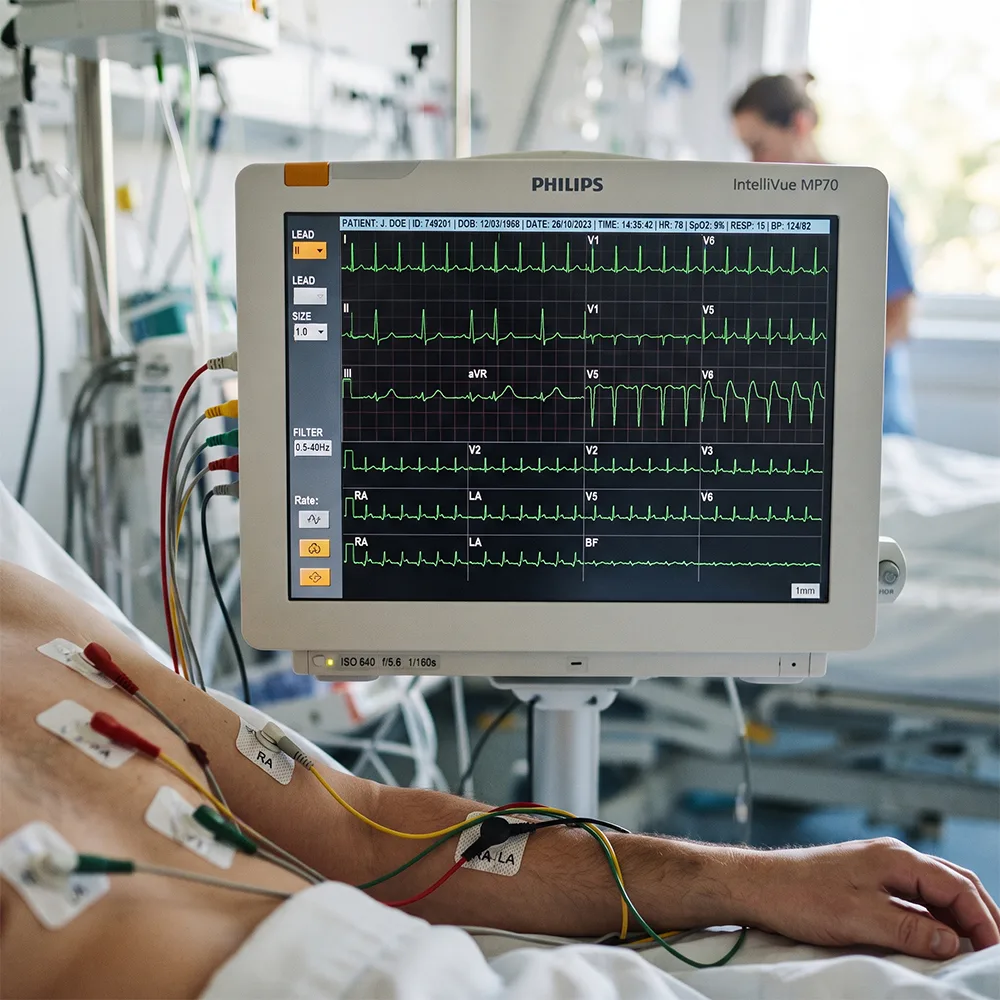
ECG (Electrocardiography) is a non-invasive diagnostic test used to record the electrical activity of the heart. It helps detect heart rhythm abnormalities, cardiac conduction disorders, ischemia, and other cardiovascular conditions. ECG is one of the most commonly performed cardiac investigations due to its simplicity, speed, and diagnostic value.
Key Specifications (Typical)
- Imaging Technology: Electrocardiography (ECG)
- Recording Type: Resting 12-Lead ECG
- Channels: 3, 6, or 12 Channels
- Display Type: Digital LCD/Touchscreen Display
- Examination Type: Non-invasive and painless
- Heart Activity Assessment: Electrical Activity and Cardiac Rhythm Analysis
- Recording Duration: Typically 10–30 Seconds
- Data Storage: Digital ECG Storage and Retrieval
- Connectivity: USB, LAN, Wi-Fi, DICOM, and PACS Integration
- Print Capability: Built-in Thermal Printer
- Applications: Cardiac rhythm analysis and cardiovascular disease screening
Common Clinical Uses
- Detection of cardiac arrhythmias
- Assessment of chest pain
- Diagnosis of heart attack (myocardial infarction)
- Evaluation of palpitations
- Monitoring of heart rate and rhythm
- Detection of conduction abnormalities
- Pre-operative cardiac assessment
- Routine cardiovascular health screening
- Monitoring effects of cardiac medications
Advantages Over Conventional Cardiac Assessment
- Quick and painless procedure
- Non-invasive and radiation-free
- Immediate results and interpretation
- Cost-effective diagnostic tool
- Easy to perform in outpatient and emergency settings
- Valuable for routine and emergency cardiac evaluation
- Supports early detection of cardiovascular disorders
Examples of ECG Systems
- GE MAC Series
- Philips PageWriter Series
- Schiller CARDIOVIT Series
- BPL Cardiart Series
- Nihon Kohden ECG Series
Typical Benefits
- Early detection of heart abnormalities
- Accurate assessment of heart rhythm and conduction
- Improved diagnosis of cardiovascular diseases
- Rapid decision-making in emergency situations
- Convenient and widely available diagnostic test
- Supports preventive and long-term cardiac care
- Essential tool for comprehensive cardiovascular evaluation