
Uroflowmetry
Uroflowmetry
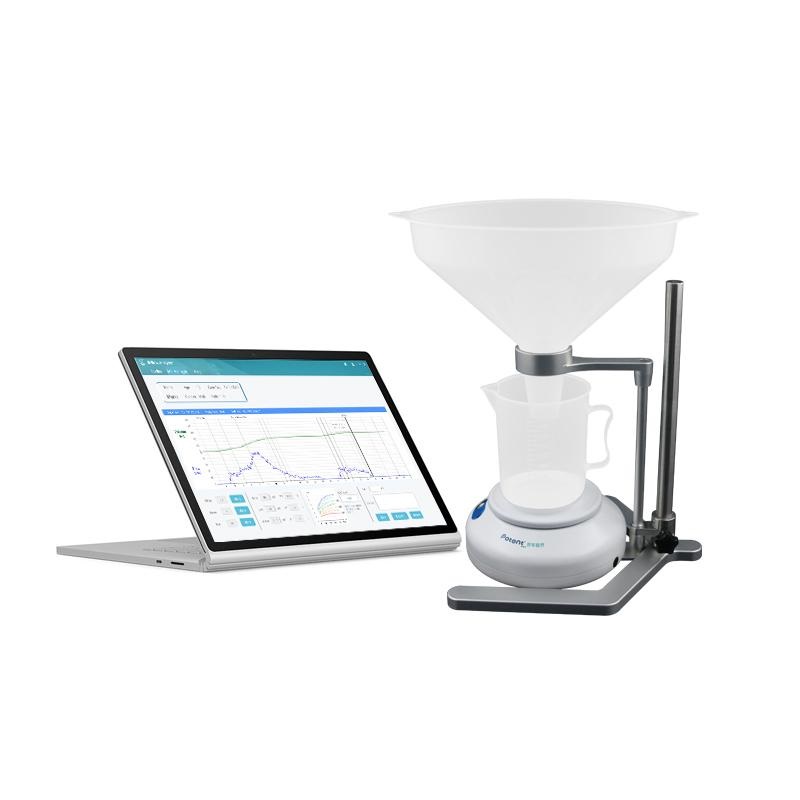
Uroflowmetry is a non-invasive urological diagnostic test used to measure the rate and pattern of urine flow during urination. It helps evaluate the function of the lower urinary tract and is commonly used to diagnose urinary obstruction, bladder dysfunction, and other urological conditions affecting normal urine flow.
Key Specifications (Typical)
- Technology: Uroflowmetry (Urine Flow Analysis)
- Test Type: Non-invasive Urological Assessment
- Measurement Parameters: Urine Flow Rate, Voided Volume, Voiding Time, and Flow Pattern
- Display Type: Real-time Digital Flow Curve and Data Display
- Flow Measurement: Electronic Flow Sensor Technology
- Data Acquisition: Automated Digital Recording
- Data Storage: Digital Test Records and Reporting
- Connectivity: USB, LAN, and Hospital Information System Integration
- Analysis Features: Flow Curve Analysis and Automated Report Generation
- Applications: Lower Urinary Tract Function Assessment
Common Clinical Uses
- Evaluation of urinary obstruction
- Diagnosis of benign prostatic hyperplasia (BPH)
- Assessment of bladder outlet obstruction
- Investigation of weak urine stream
- Evaluation of urinary retention
- Assessment of lower urinary tract symptoms (LUTS)
- Follow-up after urological treatment or surgery
- Monitoring of neurogenic bladder disorders
- Pediatric and adult urinary function evaluation
Advantages Over Conventional Assessment
- Non-invasive and painless procedure
- Quick and easy to perform
- Provides objective urine flow measurements
- Real-time analysis of urinary function
- No radiation exposure
- Useful for diagnosis and treatment monitoring
- Suitable for repeated follow-up evaluations
Examples of Uroflowmetry Systems
- Laborie Uroflow Systems
- MMS Medical Uroflowmetry Systems
- Andromeda Uroflowmeters
- MEDKONSULT Uroflow Systems
- RMS Urodynamic and Uroflowmetry Systems
Typical Benefits
- Early detection of urinary tract dysfunction
- Accurate assessment of urine flow abnormalities
- Improved diagnosis of bladder and prostate disorders
- Enhanced treatment planning and follow-up
- Reliable monitoring of urological conditions
- Supports comprehensive urological evaluation
- Essential tool for modern urology diagnostics and patient care